Get Well Water Testing in Long Island, NY
Well water testing services for Long Island property owners identify contaminants, ensure water safety, and support projects like well repairs, installations, or water quality improvements.
Property owners in Long Island, NY who rely on well water often find that regular testing is an essential step in maintaining safe and reliable water quality. Whether for a residential property, a small farm, or a commercial site, understanding the condition of your well water helps identify potential contaminants and ensures the water remains suitable for daily use. Exploring testing services allows property owners to compare local contractors, ensuring they select experienced professionals capable of providing accurate assessments tailored to the unique water conditions in the area.
Continuing with the planning process, it’s practical to consider the options available for well water testing in Long Island. Many service providers offer a range of testing solutions designed to meet specific needs, from basic quality checks to more comprehensive analyses. By evaluating local contractors, property owners can find experienced professionals equipped to address concerns and help develop a clear understanding of their well water’s condition. Keep reading to learn more about how local experts can assist with your water testing needs.
- Well Water Testing - needed when residents in Long Island neighborhoods suspect contamination or after installing a new well.
- Water Quality Analysis - essential for homeowners experiencing unusual tastes, odors, or discoloration in their well water.
- Contaminant Screening - recommended if local contractors identify potential pollutants like bacteria, nitrates, or heavy metals.
- Well System Inspection - required when routine maintenance reveals issues with water clarity or pressure.
- Regulatory Compliance Testing - necessary for property owners in areas with updated water safety standards or prior contamination concerns.
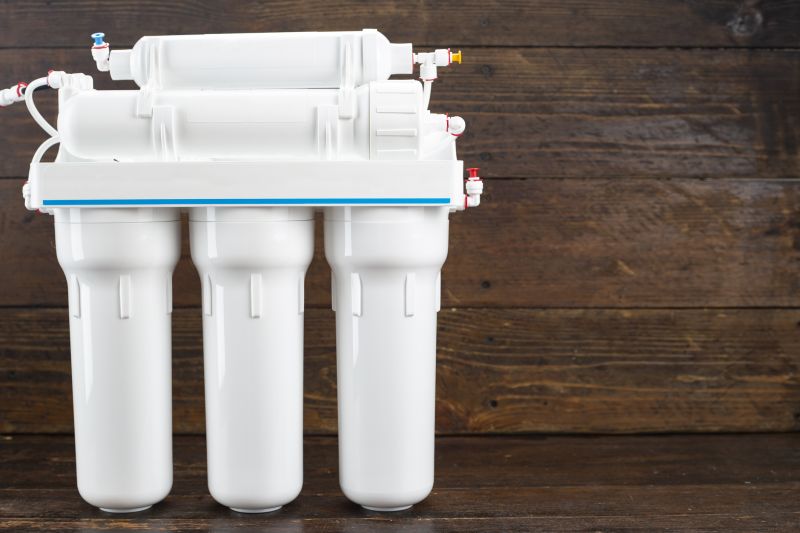
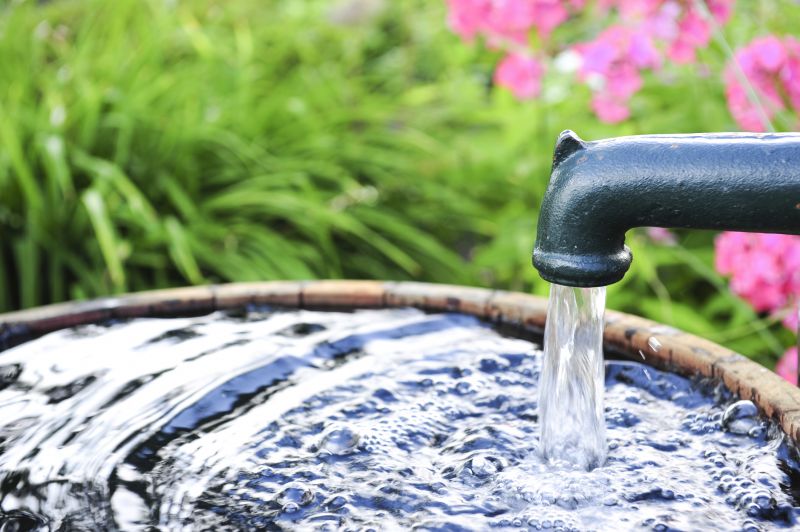
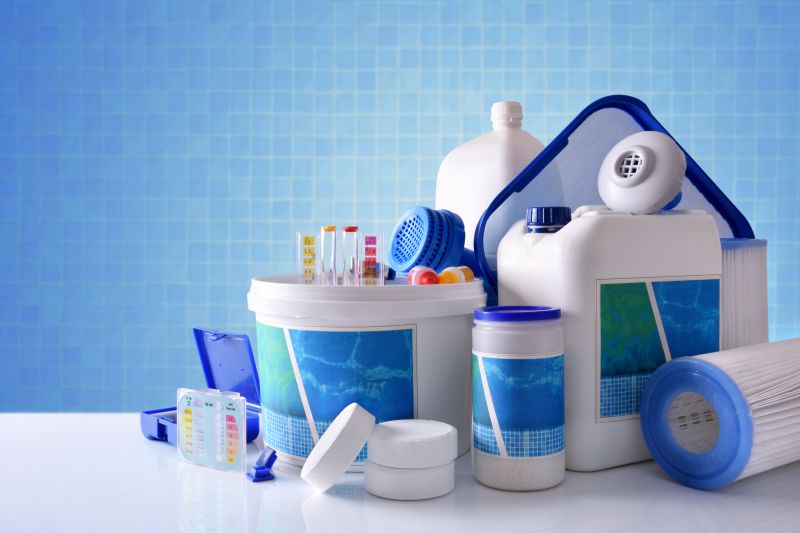
Well water testing services involve analyzing the quality of water drawn from private wells to ensure it is safe and suitable for household use. This process typically includes collecting water samples and sending them to a laboratory for detailed analysis. Testing can identify a range of potential issues, such as high levels of contaminants, bacteria, minerals, or chemicals that may pose health risks or affect the taste and clarity of the water. Homeowners often seek this service when they notice changes in water appearance, smell, or taste, or if they are preparing to install a new well or property with existing well access.
These services help solve common water quality problems that can impact health and property value. Contaminants like bacteria, nitrates, heavy metals, or pesticides can lead to illness or long-term health concerns if left unaddressed. High mineral content, such as iron or manganese, can cause staining, unpleasant odors, or buildup in plumbing fixtures. Well water testing can also detect issues related to low pH levels or other chemical imbalances that may corrode pipes or damage appliances. Identifying these problems early allows homeowners to take appropriate corrective measures, such as installing filtration systems or treating the water to meet safety standards.
Properties that typically utilize well water testing services include rural homes, properties with private wells, or those planning to build or purchase a property with existing well access. Farms or properties with large land holdings often rely on well water for irrigation and livestock, making regular testing essential. Additionally, older homes with private water sources may benefit from periodic testing to ensure ongoing water safety and quality. These services are especially relevant in areas where municipal water is unavailable or where concerns about groundwater contamination are common.
Homeowners should consider well water testing if they experience symptoms like discolored water, foul odors, or recurring plumbing issues. It is also recommended when a property is first acquired, after flooding events, or if there has been any change in water quality over time. Regular testing provides peace of mind by verifying that the water remains safe for drinking, cooking, and everyday use. Local service providers can perform comprehensive testing and recommend solutions to address any identified issues, helping homeowners maintain clean and safe well water for their households.
The overview below groups typical Well Water Testing projects into broad ranges so you can see how smaller, mid-sized, and larger jobs often compare in Long Island, NY.
In many markets, a large share of routine jobs stays in the lower and middle ranges, while only a smaller percentage of projects moves into the highest bands when the work is more complex or site conditions are harder than average.
Basic Water Testing - typical costs for routine well water tests range from $100 to $300, covering common contaminants like bacteria and pH levels. Many homeowners opt for these standard tests as part of regular maintenance.
Comprehensive Water Analysis - more detailed testing for a wider array of contaminants usually costs between $300 and $600. Larger or more complex properties may see prices towards the higher end of this range.
Well Inspection and Maintenance - routine inspections and minor repairs often fall between $250 and $600, with many projects landing in the middle ranges. Fewer jobs extend into the higher tiers unless significant repairs are needed.
Full Well Replacement - complete well replacement or major system upgrades can range from $3,000 to $7,000 or more, depending on the project's complexity and location. Larger, more involved projects tend to reach the higher end of this spectrum.
Actual totals will depend on details like access to the work area, the scope of the project, and the materials selected, so use these as general starting points rather than exact figures.
Well Water Testing services are related to well inspection projects that require sampling, analysis, and assessment of water quality to ensure safety and compliance.
Water purification system installation involves evaluating water quality and recommending treatment solutions, similar to testing for contaminants in well water.
Water well drilling and construction projects require planning and understanding of underground water sources, which aligns with assessing well water conditions.
Water filtration system maintenance involves regular testing and monitoring of water quality to maintain safe drinking water standards.
Environmental water sampling projects focus on collecting and analyzing water samples from natural sources, sharing techniques used in well water testing.
Water quality consulting services provide expertise in evaluating water tests and advising on treatment options, paralleling the skills used in well water testing assessments.
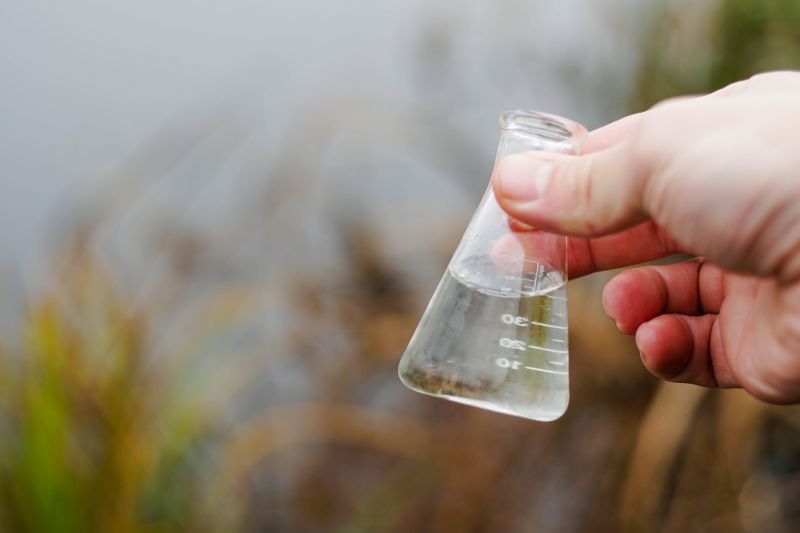
When comparing service providers for well water testing, it’s important to consider their experience with similar projects. Homeowners should seek out local contractors who have a proven track record of conducting well water tests in the area, as familiarity with local water conditions can influence the accuracy and thoroughness of testing. Asking about how long a provider has been performing well water testing and whether they have experience with properties similar to the home in question can help ensure the chosen professional understands the specific challenges and requirements involved.
Clear written expectations are essential to avoid misunderstandings and ensure the testing process meets the homeowner’s needs. Service providers should be able to provide detailed descriptions of the testing procedures they follow, what types of contaminants or issues they check for, and what the homeowner can expect during and after the testing. Having this information in writing helps clarify the scope of work and ensures everyone is aligned on the process, which can lead to a smoother experience and more reliable results.
Reputable references and good communication are key indicators of a trustworthy well water testing contractor. Homeowners should ask for references from previous clients who had similar testing performed and inquire about their satisfaction with the results and the professionalism of the provider. Additionally, a service provider who communicates clearly, responds promptly to questions, and explains findings in understandable terms can make the entire process more transparent and less stressful. It’s important to remember that this site introduces people to local options, helping homeowners connect with qualified service providers, but does not perform the work itself.
Property owners in Long Island, NY use Well Water Testing services for practical projects around their homes and businesses. This guide focuses on everyday jobs and straightforward project options.
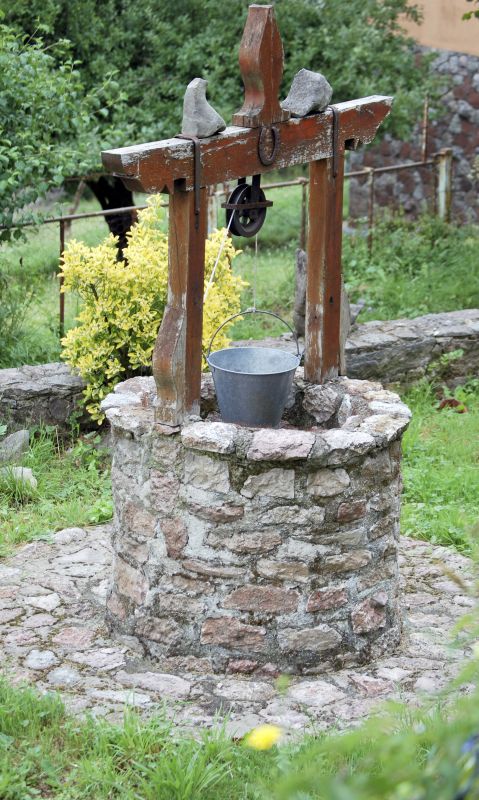
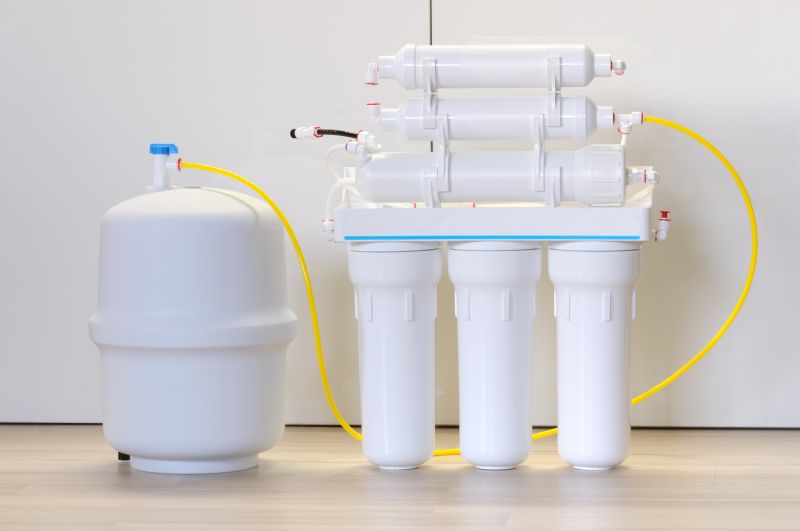
Property owners in Long Island, NY may seek well water testing services when they notice changes in water quality, such as unusual odors, discoloration, or a sudden decrease in water pressure. These signs can indicate potential contamination or issues with the well system that need to be addressed promptly. Additionally, individuals preparing to buy or sell a property with a private well often look for testing services to ensure the water is safe for everyday use, helping them meet local regulations and peace of mind.
Homeowners relying on well water may also consider testing after repairs, upgrades, or if they experience health-related concerns linked to water consumption. Routine testing can help identify contaminants like bacteria, nitrates, or other substances that could impact health. Local contractors experienced in well water testing can provide the necessary assessments and guidance, giving property owners the confidence that their water supply remains safe and reliable.
Why should I test my well water? Testing helps identify potential contaminants or issues that could affect water quality and safety in Long Island homes.
What types of tests are available for well water? Local service providers typically offer tests for bacteria, nitrates, heavy metals, pH levels, and other common contaminants.
How often should I have my well water tested? It is recommended to test well water annually or after any significant changes to the water source or nearby land use.
Can well water testing detect lead or other heavy metals? Yes, many testing services include analysis for heavy metals like lead, arsenic, and mercury to ensure water safety.
How do I find local contractors for well water testing? You can contact local water testing specialists or licensed contractors in your area who specialize in well water analysis and treatment services.
Water Quality Assessment - Property owners can use well water testing services to ensure their water is safe for daily use and consumption.
Contamination Detection - Local contractors can identify potential contaminants like bacteria or chemicals that may affect household water quality.
Water Treatment Planning - Well water testing can help determine if treatment systems are needed to improve water clarity and taste.
Routine Monitoring - Regular testing allows property owners to track water quality over time and address issues before they become serious.
If you are thinking about Well Water Testing for a property in Long Island, NY, this guide is meant to help you understand the work, the typical project types, and how different options might fit your plans.
When you are ready, you can use the quote form on this page to share a few details about your project. From there, local pros can review the basics and respond with options that match what you have in mind.