Get Well Water Testing in Pittsburgh, PA
Well water testing services for Pittsburgh homeowners identify contaminants, assess water quality, and support projects like well installation, maintenance, or contamination cleanup.
Property owners in Pittsburgh, PA, who rely on well water for their homes or businesses often seek testing services to ensure water quality and safety. Regular testing can help identify potential contaminants, mineral levels, and other issues that may affect health or the integrity of plumbing systems. Whether preparing for a new property, addressing concerns about water clarity, or ensuring compliance with local regulations, exploring well water testing options is a practical step in managing water resources effectively.
To find reliable solutions, property owners are encouraged to compare local contractors experienced in well water testing. These service providers can assist with planning projects, performing thorough assessments, and providing insights tailored to the specific needs of properties in the Pittsburgh area. Continuing to explore available options can help ensure that water quality concerns are addressed with professional expertise.
- Well Water Testing - needed when residents in Pittsburgh neighborhoods notice changes in water taste, odor, or appearance.
- Water Quality Analysis - essential for homeowners in rural areas of Pennsylvania to ensure their well water meets safety standards.
- Contaminant Screening - required if there is a concern about pollutants or toxins in private well systems near industrial zones.
- Private Well Inspection - advised for new homeowners or those experiencing unexplained health issues linked to water quality.
- Water Safety Certification - necessary for property owners seeking to comply with local health regulations or sell their homes.
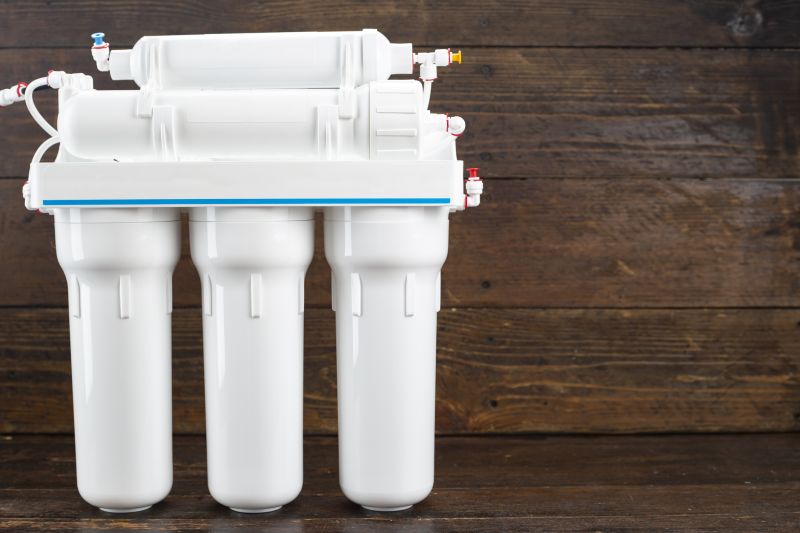
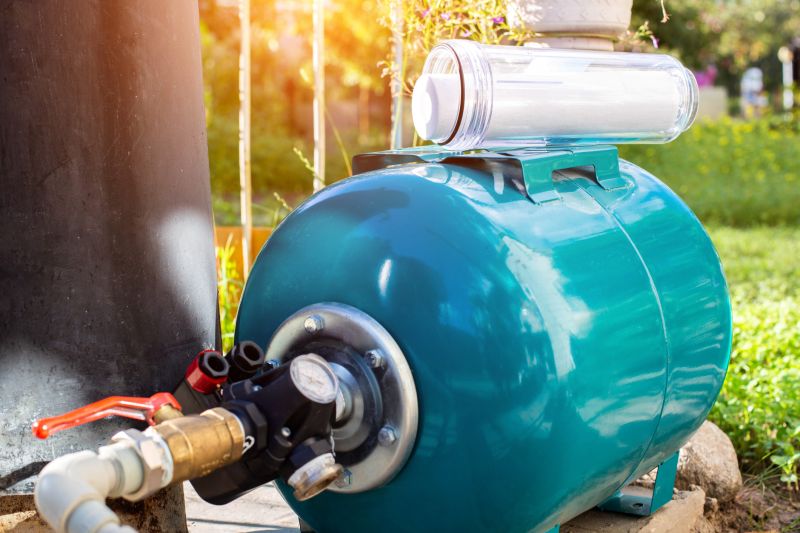
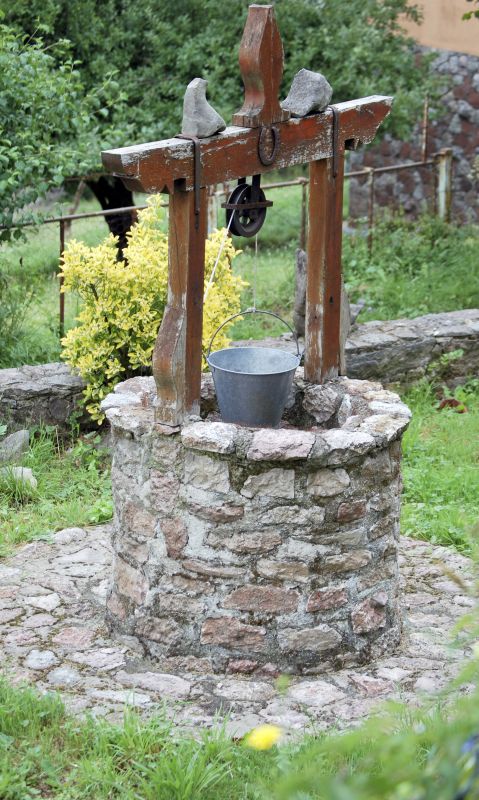
Well water testing services involve analyzing the quality of water drawn directly from private wells or other underground sources. These tests typically assess for contaminants such as bacteria, nitrates, heavy metals, and chemicals that could pose health risks or affect the taste and clarity of the water. By having a professional evaluate well water, homeowners can identify potential issues early and ensure that their water supply remains safe and clean for everyday use. Regular testing is especially important in rural or semi-rural areas where well water is the primary source of household water.
This service helps address common problems like bacterial contamination, which can cause illness, or the presence of harmful chemicals like arsenic or lead that may accumulate over time. Well water testing can also detect high levels of minerals such as iron or manganese, which can lead to staining or unpleasant tastes. When problems are identified, local service providers can recommend appropriate treatment options or further testing to pinpoint the source of contamination. This proactive approach helps prevent health issues and maintains the overall quality of the water supply.
Properties that typically use well water testing services include rural homes, farms, and properties outside municipal water systems. These residences rely on private wells for their water needs and often lack the regular testing and treatment provided by city water supplies. Additionally, properties that have experienced changes in water quality, such as unusual odors, discoloration, or decreased flow, may benefit from testing to determine the cause. Even in suburban areas with well systems, periodic testing can help ensure that the water remains safe and free from contaminants that might develop over time.
Homeowners should consider well water testing if they notice any signs of water quality issues or if they want to establish a baseline for their well’s condition. Regular testing can help identify problems before they become serious, reducing the risk of health concerns and costly repairs. Local contractors experienced in well water analysis can perform comprehensive testing and provide guidance on necessary treatment solutions. Contacting a professional can help ensure that private water supplies meet safety standards and continue to provide clean, reliable water for everyday use.
The overview below groups typical Well Water Testing projects into broad ranges so you can see how smaller, mid-sized, and larger jobs often compare in Pittsburgh, PA.
In many markets, a large share of routine jobs stays in the lower and middle ranges, while only a smaller percentage of projects moves into the highest bands when the work is more complex or site conditions are harder than average.
Basic Water Testing - for routine testing of well water quality, local service providers typically charge between $150 and $300. Many standard tests fall within this range, covering common contaminants and water parameters.
Comprehensive Water Analysis - more detailed testing that screens for a wider range of pollutants can cost between $300 and $600. Larger, more complex projects may push costs higher, though these are less common.
Emergency or Specialized Testing - urgent or specialized water tests, such as for bacteria outbreaks or chemical spills, often range from $600 to $1,200. Many projects in this category are less frequent but require quick, thorough analysis.
Full Well System Replacement - replacing an entire well or major components can cost from $2,500 to over $5,000, depending on the size and complexity of the installation. Most projects fall within the middle of this range, with fewer reaching the highest tiers.
Actual totals will depend on details like access to the work area, the scope of the project, and the materials selected, so use these as general starting points rather than exact figures.
Water quality testing - professionals who assess various water sources for contaminants and impurities, similar to well water testing processes.
Water filtration and treatment installation - service providers who design and implement systems to improve water quality, requiring knowledge of water testing results.
Well drilling and pump installation - contractors who create or access groundwater sources, often working alongside water testing experts to ensure safe water supply.
Environmental testing services - specialists who analyze soil and water samples for pollutants, sharing skills in sample collection and analysis relevant to well water testing.
Water system maintenance and repair - technicians who service existing well systems, often utilizing testing results to diagnose issues and recommend solutions.
Water safety consulting - experts who advise on water quality standards and testing protocols to ensure safe drinking water from private wells.
When comparing service providers for well water testing, it’s important to consider their experience with similar projects in the Pittsburgh area. Homeowners should look for local contractors who have a proven track record of handling well water testing in environments comparable to their own property. Asking about the types of tests performed and the complexity of past projects can help gauge whether a provider has the relevant expertise to meet specific needs.
Clear, written expectations are essential when evaluating potential service providers. Homeowners should seek detailed descriptions of the testing process, what the results will include, and any recommended follow-up actions. Having this information in writing helps ensure everyone is aligned on the scope of work and reduces the chances of misunderstandings or surprises once the testing is completed.
Reputable references and effective communication are key factors in selecting a reliable well water testing service. Homeowners can ask service providers for references from previous clients in the area and inquire about their experiences. Additionally, good communication-such as prompt responses to questions and clarity in explanations-can make the process smoother and more transparent. It’s important to remember that this site introduces homeowners to local options rather than performing the work itself, so taking the time to verify these qualities with each provider can lead to a more informed decision.
Property owners in Pittsburgh, PA use Well Water Testing services for practical projects around their homes and businesses. This guide focuses on everyday jobs and straightforward project options.
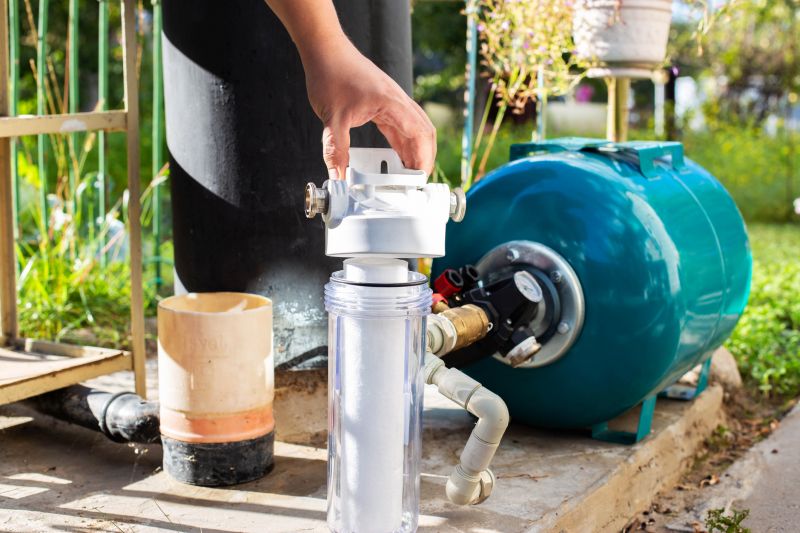
Property owners in Pittsburgh, PA may seek well water testing services when experiencing changes in water quality, such as unusual odors, discoloration, or sediment presence. These issues can arise from aging well systems or nearby construction activities that disturb underground sources. Additionally, those planning to purchase a home with a private well often look for testing to ensure the water is safe and free from contaminants before completing a sale.
Homeowners and property managers might also consider well water testing when noticing health-related concerns among residents or after periods of heavy rainfall that could impact underground water sources. Regular testing can help identify potential issues early, such as bacteria, minerals, or chemical levels that may affect water safety. Local contractors specializing in well water services can provide the necessary testing and guidance to address these everyday situations effectively.
Why should I have my well water tested? Testing well water helps identify potential contaminants or issues that could affect water safety and quality for your household.
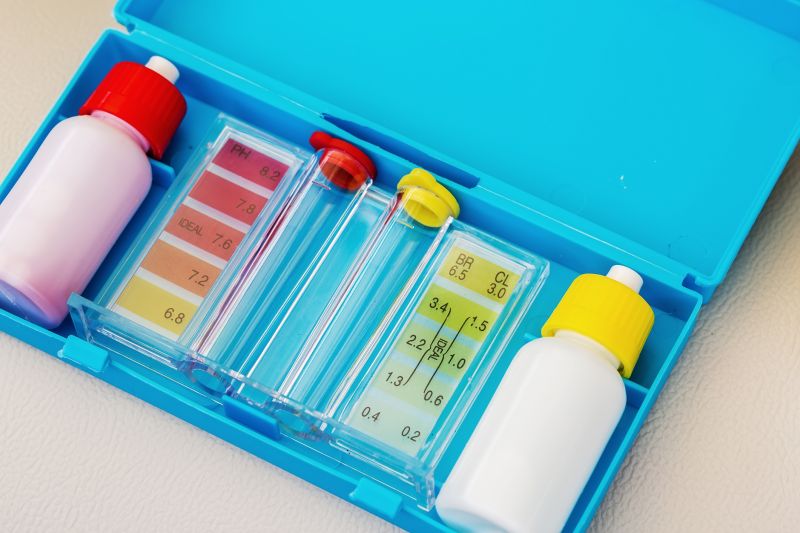
What contaminants are commonly checked in well water testing? Common tests look for bacteria, nitrates, heavy metals, pH levels, and other pollutants that may impact water safety.
How often should I test my well water? It is recommended to test well water at least once a year to ensure ongoing safety and quality.
Can local service providers help interpret my well water test results? Yes, many local contractors can analyze test results and advise on necessary treatment or further testing if needed.
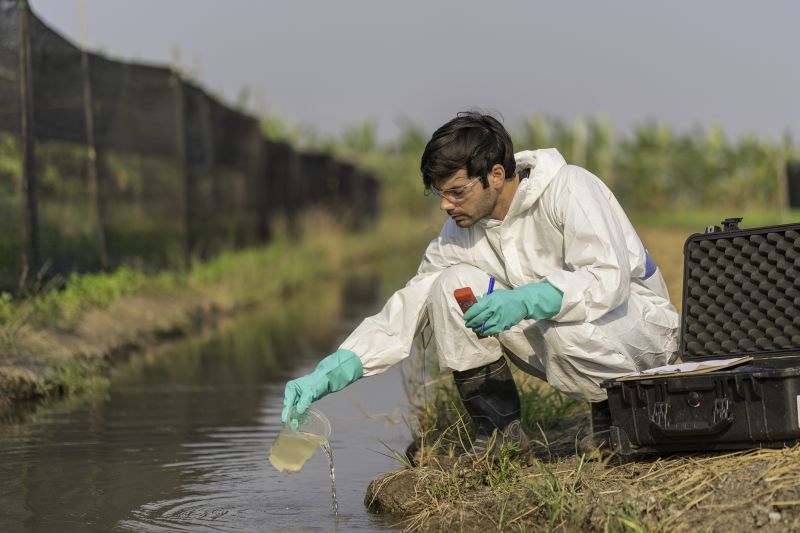
What steps are involved in well water testing? A professional collects water samples from your well, which are then analyzed in a lab to detect various contaminants and water quality parameters.
Well Water Testing for Safety - Property owners can use this service to ensure their well water is free from harmful contaminants and safe for everyday use.
Water Quality Improvement Projects - Homeowners may consider testing to identify issues and work with local contractors to improve water clarity and taste.
Pre-Purchase Well Inspection - Buyers can have local service providers test well water as part of evaluating a property before completing a purchase.
Routine Water Monitoring - Property owners might schedule regular testing to maintain awareness of water quality and address potential problems early.
If you are thinking about Well Water Testing for a property in Pittsburgh, PA, this guide is meant to help you understand the work, the typical project types, and how different options might fit your plans.
When you are ready, you can use the quote form on this page to share a few details about your project. From there, local pros can review the basics and respond with options that match what you have in mind.